A bright, healthy smile is a massive confidence booster, whether you are preparing for a wedding, a major job interview, or just want to feel good when greeting people. Over time, however, it is entirely natural for teeth to lose their original spark. If you have been thinking about refreshing your smile, it helps to understand how the process works from a proper clinical perspective.
At Enamo Dental Clinic, we believe in giving our patients the honest, factual information they need to make the best decisions for their health. This guide breaks down why teeth change color, how professional whitening actually works, and what you should expect.
Why Do Teeth Discolor? Understanding the Causes
To understand how whitening works, we first have to look at why teeth change color in the first place. In dentistry, we divide stains into two main categories: surface stains (extrinsic) and deeper internal stains (intrinsic).
1. Extrinsic Staining (Surface Stains)
These are stains on the outer layer of your tooth, the enamel. This layer takes a beating daily from what we eat and drink. Over time, pigments stick to the surface and gradually darken your smile. Common causes include:
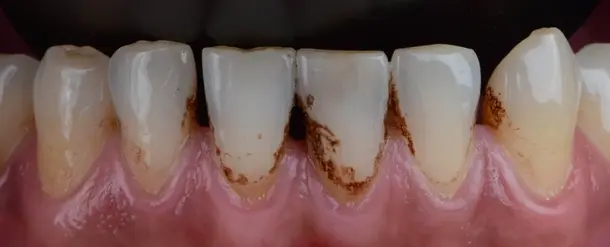
- Our Local Diet and Beverages: Daily staples like heavily spiced stews, black tea, coffee, and sodas contain intense color pigments that attach to your enamel.
- Tobacco Use: Smoking or chewing tobacco leaves stubborn, dark yellowish-brown stains that are incredibly tough to brush away with regular toothpaste.
- Plaque Build-up: If you aren’t brushing thoroughly or flossing daily, plaque and hard tartar (calculus) start to build up. Tartar is highly porous and acts like a sponge for food stains.
2. Intrinsic Staining (Internal Discoloration)
This is discoloration that happens deep inside the tooth structure, within a layer called the dentin. Because it is beneath the enamel, no amount of regular scrubbing or whitening toothpaste can clear it. This happens due to:
- Natural Aging: As the years go by, our outer enamel naturally thins out from daily wear. This exposes the underlying dentin, which is naturally more yellow or grayish.
- Medications: If you were given certain antibiotics like tetracycline as a young child while your teeth were still forming, it can leave permanent gray or brown bands inside the teeth.
- Dental Trauma: If you ever had a bad fall, a sports injury, or a physical impact on your mouth, the internal nerve of the tooth can die. When this happens, the tooth often turns dark gray or brown from the inside.
- Fluorosis: Consuming water with excessively high natural fluoride levels during early childhood which is common in certain specific regions can cause chalky white streaks or brown spots to form permanently inside the tooth structure.
How Professional Teeth Whitening Works
Professional whitening isn’t about scraping or painting the teeth, it relies on a safe controlled chemical process to break down stain molecules. In a professional clinic, we use medical-grade gels containing active ingredients like hydrogen peroxide or carbamide peroxide.
When we apply this gel to your teeth, it releases oxygen molecules that gently penetrate right into the microscopic pores of your enamel. Through a process called oxidation, these oxygen molecules seek out the dark stain compounds and break their chemical bonds.
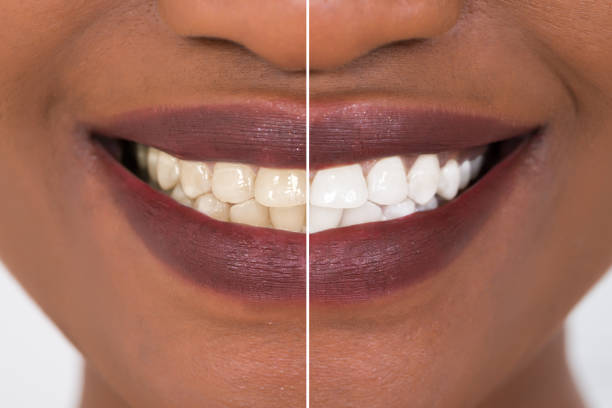
Once those large, dark stain molecules are broken down into tiny, colorless fragments, light reflects differently off your teeth, making your smile look visibly brighter. Done correctly under medical supervision, this process does not alter, weaken, or damage the structure of your enamel.
The Critical Importance of a Pre-Treatment Consultation
While teeth whitening is a highly popular cosmetic choice, it is still a clinical procedure that requires a doctor’s oversight. It is not a one-size-fits-all solution, and a proper dental check-up is mandatory before we can clear you for the procedure.
During your evaluation at Enamo Dental Clinic, we look at a few critical factors to keep you safe:
1. The True Cause of the Stain
Whitening gels work beautifully on surface stains and age-related yellowing. However, they will not change internal gray stains, tetracycline bands, or severe fluorosis. If your discoloration is deep inside, we will chat about other great options like dental veneers or crowns to give you the look you want.
2. Existing Dental Work
A very important fact to note is that whitening gels do not change the color of artificial dental materials. If you have composite fillings, porcelain crowns, bridges, or bonding on your front teeth, they will stay exactly the same color while your natural teeth brighten. This can leave you with a mismatched smile. We need to check your existing dental work first to plan a uniform, natural result.
3. Active Cavities or Gum Issues
Bleaching gels should never touch an open cavity or exposed tooth roots. If you have an untreated cavity or receding gums, the whitening gel can seep straight down to the tooth’s internal nerve, causing intense, severe pain and potential permanent damage. We must always treat any active decay or gum disease first before moving on to cosmetic treatments.
What to Expect: In-Office Treatment vs. Take-Home Kits
Depending on your schedule, budget, and what we find during your check-up, professional whitening usually follows one of two routes:
In-Office Professional Whitening
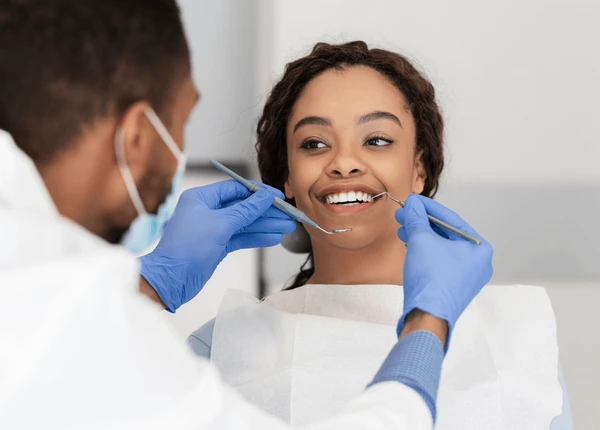
This is the best option if you want fast, significant results monitored closely in the chair:
- Protection First: We apply a special protective barrier or liquid dam over your gums, lips, and cheeks to ensure the strong whitening gel only touches your teeth and doesn’t irritate your soft tissues.
- Gel Application: The professional gel is carefully painted onto the visible surfaces of your teeth.
- Activation: We often use a specialized dental light to activate the gel, speeding up the stain-breaking process. We leave it on for about 15 to 20 minutes, remove it, and repeat the step up to three times in a single visit.
Professional Take-Home Kits
If you prefer a more gradual process you can manage yourself, we can create a custom home kit:
- Custom Molded Trays: We take a precise impression of your teeth to make custom plastic trays that fit your mouth perfectly. This keeps the gel locked onto your teeth and prevents it from leaking onto your gums.
- Safe Daily Wear: We provide you with a lower-concentration professional gel and show you exactly how to apply it safely at home for a designated period each day over one to two weeks.
Managing Sensitivity and Post-Treatment Care
The most common side effect of whitening is a temporary sensitivity to cold or hot drinks. This happens because the process temporarily opens up the microscopic pores in your enamel, letting temperatures reach the internal nerve pathways more easily.
Don’t worry, this is completely normal and almost always clears up on its own within 24 to 48 hours. We can also provide specialized desensitizing pastes to keep you completely comfortable.
Keeping Your Smile Bright: The 48-Hour Rule
To protect your investment, the first 48 hours after treatment are vital. Because those microscopic enamel pores stay slightly open right after the procedure, your teeth can absorb stains very quickly.
We advise patients to stick to a “white diet” for two days avoiding dark tea, coffee, sodas, and bright spices like turmeric or soy sauce. Pair this short break with solid daily brushing and flossing, and your bright results will last a very long time.
Let’s Talk About Your Smile
Every mouth is different, and cosmetic dental work should always be handled with the highest clinical care. If you are interested in teeth whitening, let’s start with a proper check-up to see what will work best for you.
Clinical Disclaimer: Teeth whitening requires a prior clinical examination to check for suitability. Individual results depend heavily on the underlying cause of discoloration and your current oral health status; specific shade outcomes cannot be guaranteed for every case.